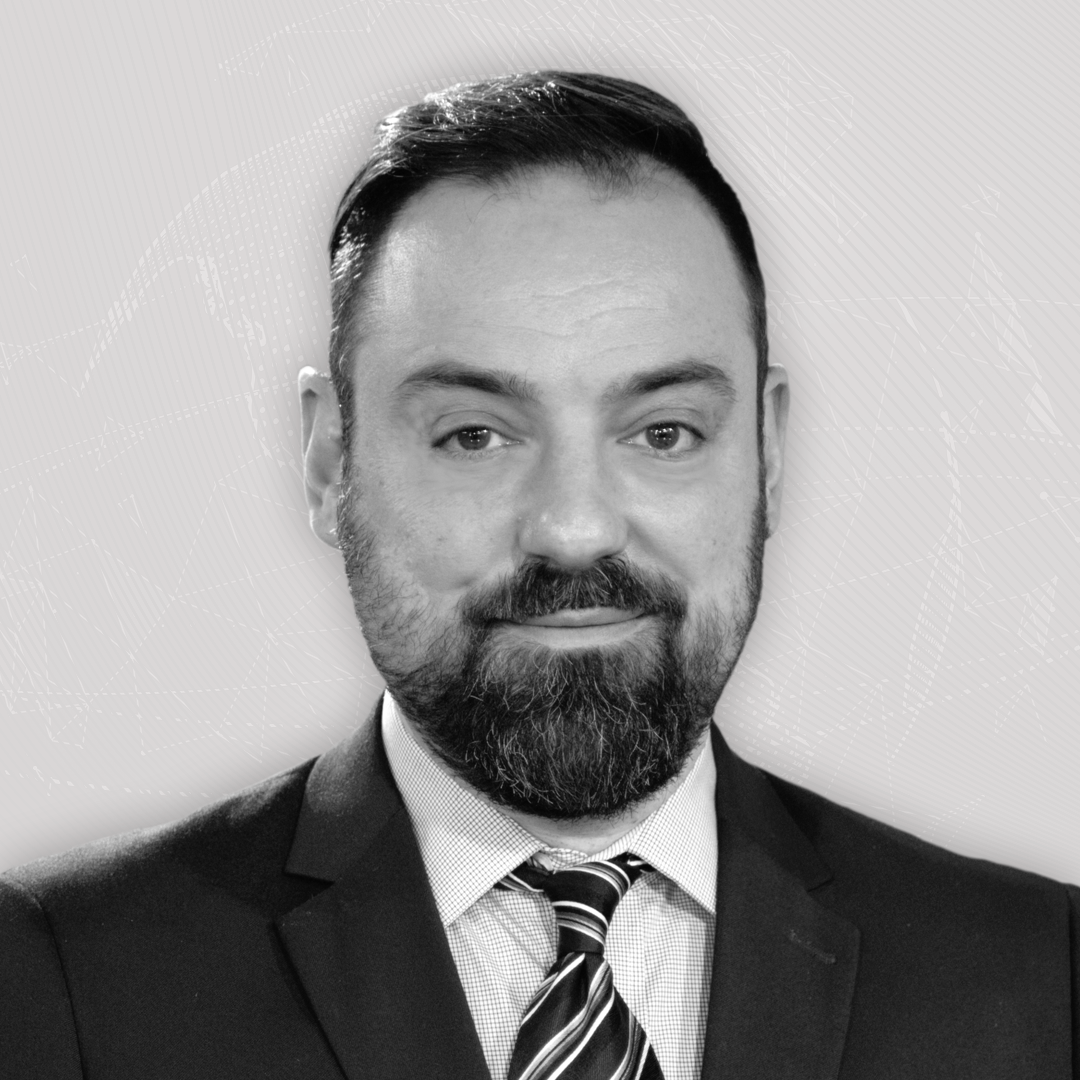
(Kitco News) – Gold is an important part of any investor portfolio, and while the yellow metal currently faces headwinds from high yields and the expectation of further Fed hikes, gold and other commodities still help mitigate fiscal, monetary, and geopolitical risk, according to Sagar Khandelwal, investment strategist at UBS.
In a new analysis published Wednesday, Khandelwal wrote that investors should maintain long-term exposure to gold regardless of the market cycle.
“Gold and commodities can strengthen portfolio resilience by diversifying return drivers and hedging fiscal, geopolitical, inflation, and supply risks,” he said. “Government debt, geopolitical uncertainty, and central bank demand should support gold, while broader commodity exposure and copper should benefit from structural demand, including from investment in power networks, data centers, and electrification.
UBS views gold as a means to add resilience to investor portfolios by protecting against fiscal, monetary, and geopolitical risk. “Structural demand remains supportive: central banks continue to diversify reserves, Chinese buying is robust, ETF holdings have remained resilient, and concerns about rising public debt and debt-servicing costs persist,” Khandelwal said. “Gold’s reduced sensitivity to the recent rise in real yields suggests these forces are providing a stronger offset than in previous cycles.”’
Khandelwal acknowledged the near-term headwinds facing gold, however, and suggested a nuanced approach. “High US real yields and a firm dollar increase the opportunity cost of holding a non-yielding asset and could allow gold to trade below USD 4,000/oz in the short run,” he wrote. “However, we expect structural buyers to provide support around that level. As markets scale back expectations for further Fed tightening, real yields should ease and gold should regain momentum in 2027.”
“We recommend maintaining a long-term allocation rather than treating gold as a short-term directional trade,” he added. “Investors should rebalance after large price moves and consider using pullbacks below USD 4,000/oz to add exposure.”
Khandelwal also emphasized that commodities are more than just oil and gold, and investors should use actively managed investments across a broad range of commodities.
“A diversified allocation across a broad range of energy, industrial metals, agriculture, and precious metals can provide a differentiated return stream,” he said. “The structural case is also constructive. AI infrastructure, electrification, power grid investment, and the energy transition are supporting demand for industrial metals. Energy can provide protection against disruptions to production and shipping. Agriculture adds exposure to weather and crop cycles that differ from conventional financial-market risks.”
Khandelwal said UBS favors an actively managed approach because the best-performing commodities “can shift rapidly across sectors as inventories, geopolitics, weather, demand, supply discipline, and forward curves evolve.”
“Static indices may concentrate exposure according to production weights rather than expected returns,” he said. “Active strategies can respond to changing opportunities, manage volatility, and account for collateral income and the effects of contango or backwardation.”
Looking ahead at 2027, UBS favors copper as the industrial metal most likely to outperform.
“Power networks, electrification, data centers, and AI infrastructure require substantial copper,” Khandelwal said. “Supply is only responding slowly. New mines require long development periods, ore grades are declining in several established regions, and large projects face political, environmental, and execution risks. Stronger demand can therefore tighten the market before additional production becomes available.”
He noted that investment in the global grid is projected to reach $500 billion in 2026, and UBS believes annual investment could approach $3 trillion by 2030. “We expect copper to reach USD 15,500 per tonne by end-2027.”
“We think the metal will remain sensitive to Chinese activity, global manufacturing, inventories, trade policy, substitution, and changes in mine supply,” Khandelwal said. “These factors can generate substantial corrections even within a favorable long-term trend. We therefore recommend building exposure during periods of weakness and holding it alongside broader commodities.”
See live precious metals prices for gold, silver, platinum and palladium — in USD, CAD and 12 more currencies.
