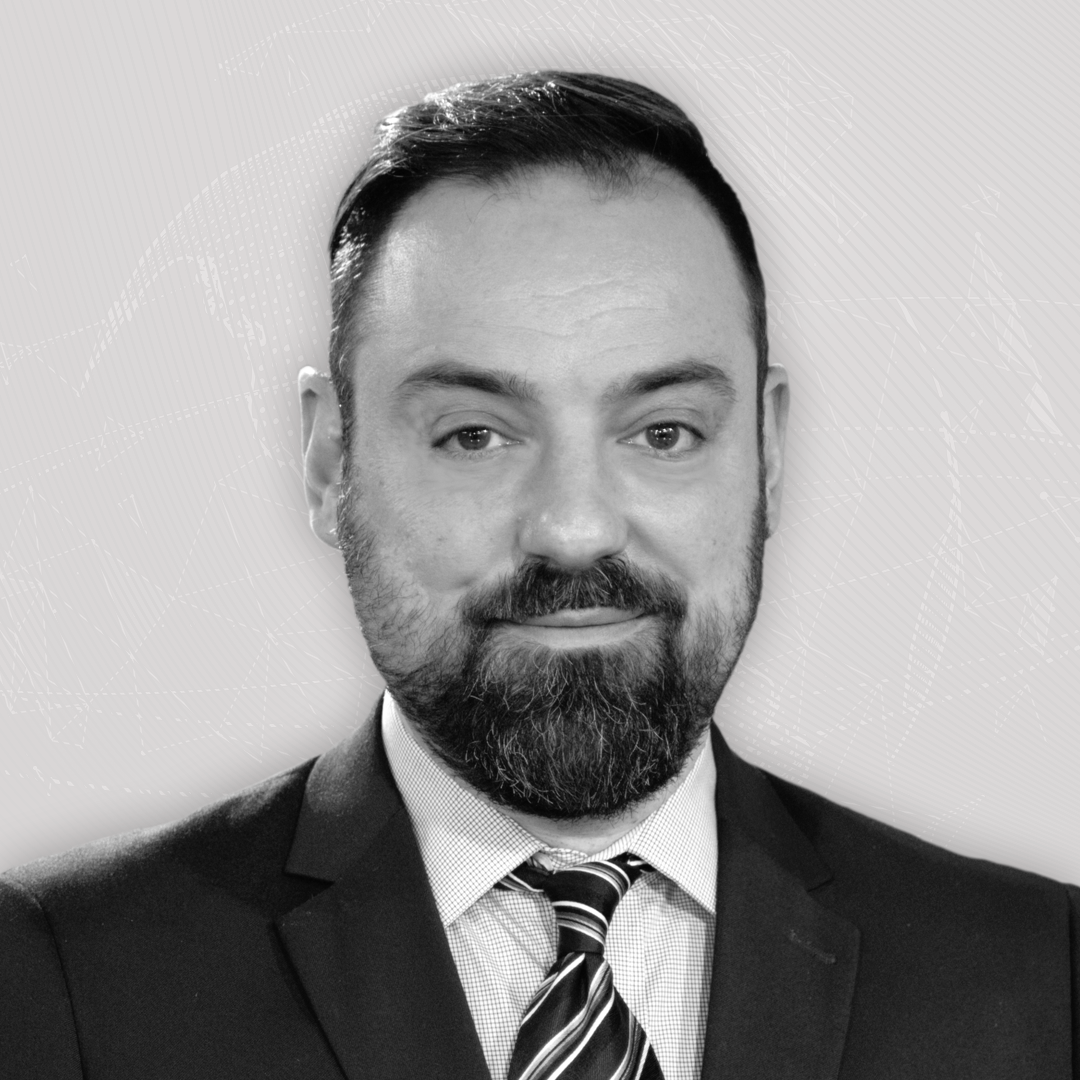

(Kitco News) – Diversification is even more important to investors’ returns than making the right decisions, and gold is a key diversifier, according to Ray Dalio, the billionaire founder of Bridgewater Associates.
In a remote video speech to the Greenwich Economic Forum in Hong Kong on Wednesday, Dalio went through some of what he considered the most pressing economic and geopolitical threats on the horizon.
He said that among the most significant risk factors in 2024 are the threat of internal conflict surrounding the elections in the United States. “There are two questions related to that,” he said. “Will the elections be accepted by both sides? And what are the consequences of that? We honestly don't know the answer.”
Dalio said he sees reasons for concern, even assuming the election results are accepted.
“There are also very big differences between the policies of what would be a Trump administration and what would be a Democratic administration, particularly the issue of left/right,” he said. “Both parties have moderates and have extremists. And in both cases, there will be likely conflict between the extremists.”
He also contrasted the likely economic policy differences between the two administrations. “In the Trump presidency, you're getting much more of a nationalistic, isolationist, protectionist type of policies that are of the right, and are likely to offer more protections to those who have large amounts of money, the wealthy and the corporations. And of course, on the left, most of those policies are somewhat different. But the one thing that there's broad agreement on is the, as I would say, ‘anti-China’ policies.”
“In 2024, we are going to learn a lot about these, and what the policies will be,” he said.
Dalio said that history shows that “economic warfare precedes military warfare,” and that while he doesn’t expect an imminent military conflict between the largest and second-largest economies and militaries, on the issue of Taiwan, the one-China policy “will not go on forever.”
He added that this situation has forced international investors to wonder whether they will suffer from actions taken by their own government. “American investors investing in China could experience negative consequences from their governments,” Dalio said. “And there’s worry that from the Chinese side they could make it challenging.”
The stock market slides in Hong Kong and on the mainland earlier this year were indications that those concerns are valid, Dalio said, but he now sees Chinese assets as very attractively priced.
He also highlighted the role played by the relatively neutral states in Southeast Asia, India, and the Middle East, saying that neutral countries often outperform even the winners in a war.
Turning to the topic of asset classes, Dalio said he prefers equity assets over debt, as he worried about the latter failing to provide adequate returns. Central banks own a lot of debt and are currently sitting on losses that they may have to monetize, which he called a classic late-cycle inflationary consequence.
Dalio also insisted that gold should be in every investor’s portfolio, as it is the third-largest reserve currency, trailing only the U.S. dollar and the euro.
“The power of diversification is greater than the power of even good decision-making,” he said.
Speaking on the Finimize podcast on June 1, Dalio expanded on his position relating to gold, saying that it plays a key role in his approach to risk, particularly when too much money is betting on continued gains in equities.
“If you're going to diversify, I suspect that most of your investors have probably a disproportionate amount of investment being long in the stock market,” he told host Gilberto Santos. “You know, always being on one side of the market, and always being in one market, is a risky thing. I would have a bit of gold.”
“A bit of gold is something that is a very effective diversifier,” he continued, “so actually adding gold to the portfolio raises its expected return without depending on the particular assets held in the portfolio, but it diversifies. It's almost a bit of an insurance policy.”
